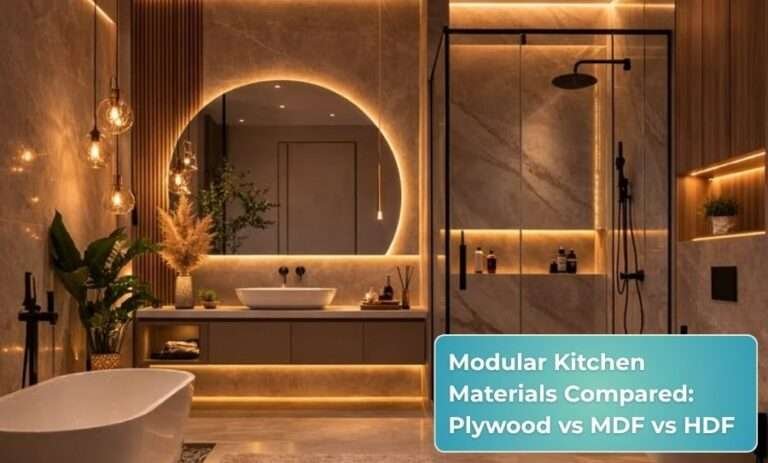
Modular Kitchen Materials Compared: Plywood vs MDF vs HDF
Choosing the right material and is key when designing a modular kitchen. It affects how your kitchen looks, works, and holds up over time. Finishes might seem alike on the outside, but the base material is key. It affects durability, strength, and how well it resists daily wear.
In many Bangalore homes, interior designers in Bangalore recommend materials like plywood, MDF, and HDF. Each type has its own purpose. Understanding their differences can help you avoid expensive mistakes when planning your kitchen.
-
Plywood – Best for Strength and Longevity
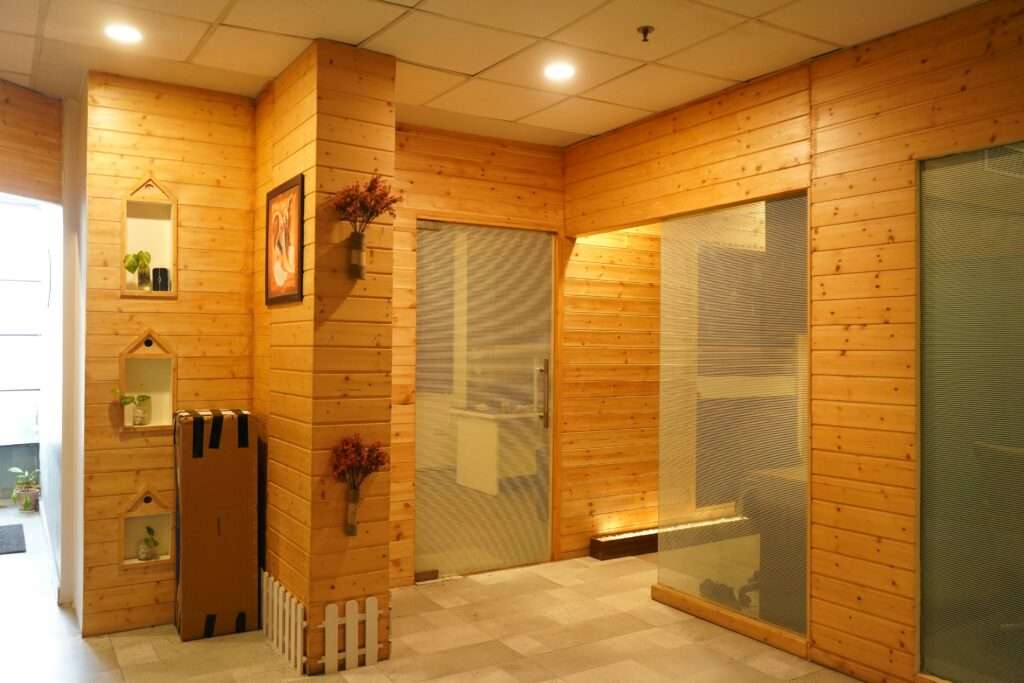
Plywood is one of the most reliable materials used in a modern modular kitchen. It layers natural wood sheets, providing strong structural stability.
Key advantages:
- Handles heavy weights like utensils and appliances easily
- Performs well in kitchens with regular water exposure
- Holds screws and fittings firmly without loosening
- Long-lasting with minimal maintenance
Where it works best:
Cabinet structure, base units, and areas exposed to moisture.
Many interior designers in Bangalore choose plywood for kitchens. It provides great durability and lasts a long time.
-
MDF – Best for Smooth Finishes and Design
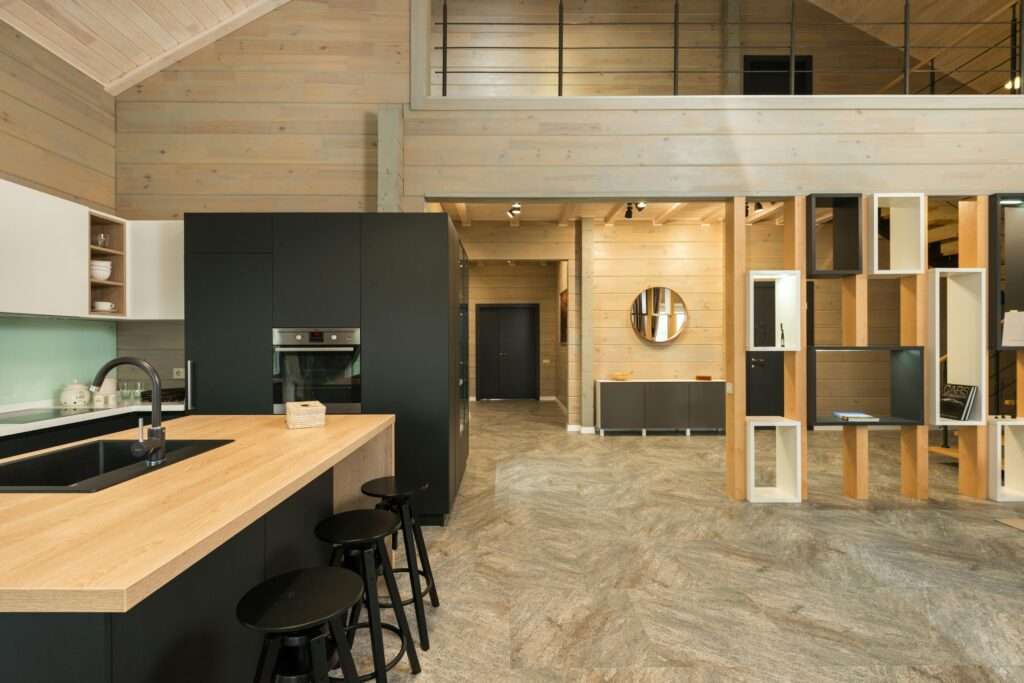
MDF is made from compressed wood fibers and is known for its clean, smooth surface. It is widely used in kitchen interior design where finish and appearance are the main focus.
Key advantages:
- Perfect for painted, matte, or modern finishes
- Easy to shape for detailed or custom designs
- More budget-friendly than plywood
- Gives a seamless and polished look
Limitations:
- Not suitable for wet or high-moisture areas
- Can weaken if exposed to water over time
Where it works best:
Shutters, panels, and decorative sections.
MDF is a popular choice for sleek, minimal home interiors in Bangalore. Here, aesthetics are key.
-
HDF – Better Density with a Cleaner Finish
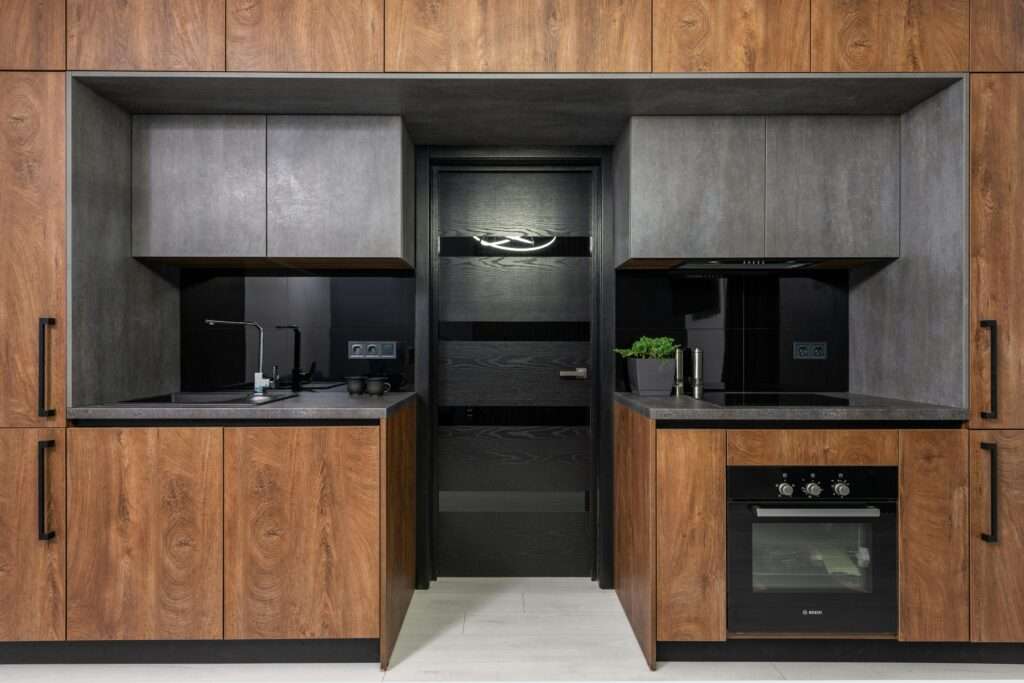
HDF is similar to MDF but more compressed, making it denser and slightly stronger. It offers a balance between finish quality and durability.
Key advantages:
- Stronger than MDF
- Smooth surface for laminates and finishes
- More resistant to wear compared to MDF
Limitations:
- Still not ideal for high moisture exposure
- Slightly heavier and costlier than MDF
Where it works best:
Shutters, vertical panels, and areas needing better strength than MDF.
Homeowners wanting durability and style might find HDF a great choice for a modular kitchen in Bangalore.
-
Which Material Should You Choose?
There is no single material that works for the entire kitchen. The best results come from using materials based on their strengths.
- Use plywood for structure and durability
- Use MDF or HDF for shutters and visible finishes
- Avoid moisture-sensitive materials in wet areas
A smart combination ensures your kitchen looks good and lasts longer. At Draftora Designs, we select materials for their performance, strength, and design options.
- Final Thoughts
A modular kitchen is used every day, so the material choice should go beyond appearance. Strength, moisture resistance, and long-term performance matter just as much as design.
Choosing the right material in the right spot helps prevent repairs. It boosts durability and keeps your kitchen looking new for years.
FAQs – Modular Kitchen Materials
1. Is MDF good for kitchen cabinets?
- MDF works well for shutters and decorative finishes but is not ideal for wet areas.
2. What is the difference between MDF and HDF?
- HDF is denser and a bit stronger than MDF. This means it provides better durability and a nicer finish.
3. Why is plywood preferred for modular kitchens?
- Plywood handles moisture, weight, and daily usage better than most engineered boards.
4. Which material lasts longer in a kitchen?
- Plywood generally lasts longer due to its strength and better resistance to moisture.
5. Can different materials be used in one kitchen?
- Yes, many modern modular kitchens combine plywood, MDF, and HDF. They choose materials based on function and design needs.
6. Which material is best for kitchen shutters?
- MDF and HDF are popular for shutters. They offer smooth finishes and clean designs.
Conclusion – Plywood vs MDF vs HDF
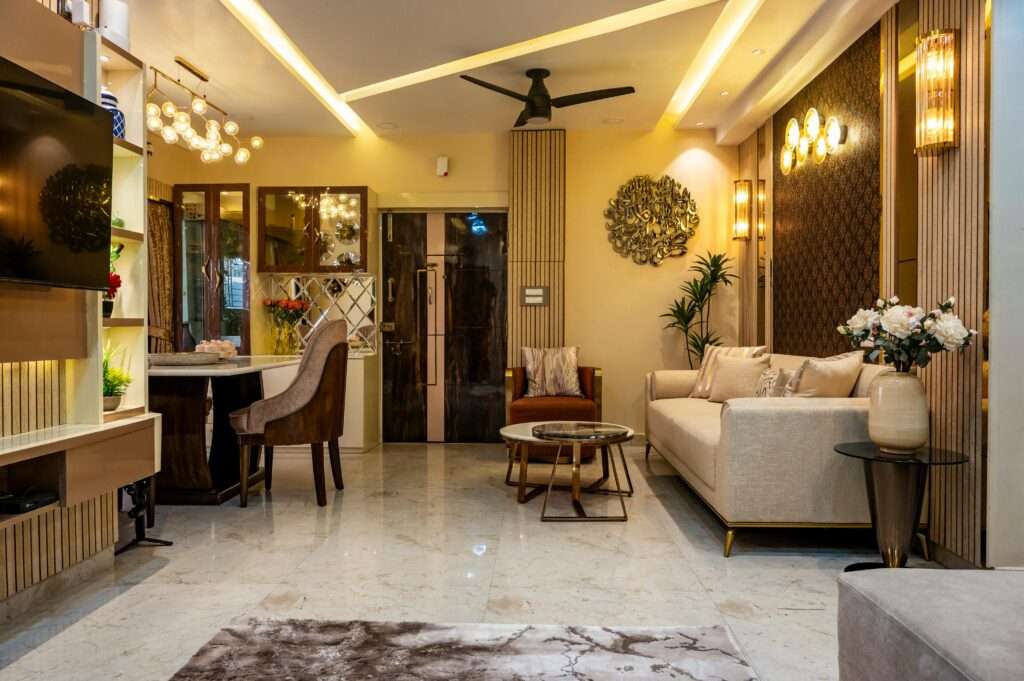
A modular kitchen gets daily use, so the materials in the design are important, just like the final finish. Choosing between plywood, MDF, and HDF isn’t about finding the best single option. It’s about knowing where each material shines.
A kitchen that looks nice but can’t handle daily use will need repairs later. The right mix of materials creates a space that is strong, functional, and looks good for years.
At Draftora Designs, we plan every modular kitchen with practicality in mind. This way, the design looks modern and works well for daily life.