

What to Expect in Your First Interior Design Consultation
Stepping into your first interior design consultation is the beginning of a transformative journey. Whether you are designing a new home, renovating an existing property, or planning a commercial interior upgrade, understanding what to expect in your first interior design consultation helps you approach the meeting with clarity and confidence. At Draftora, we believe that a successful design project begins with a structured, transparent, and collaborative first interaction.
A first interior design consultation is not merely a creative brainstorming session. It is a strategic discussion that lays the groundwork for the entire interior design consultation process. This meeting defines expectations, aligns goals, clarifies budgets, and establishes a professional client-designer collaboration process that ensures seamless execution.
Understanding the Purpose of the First Consultation

The interior design client consultation serves as a discovery and alignment session. During this initial design meeting, the designer seeks to understand your lifestyle, design preferences, functional requirements, long-term plans, and investment capacity. Rather than jumping directly into aesthetics, a professional interior designer focuses on how the space should function for you.
For example, a growing family will have different storage and layout needs compared to a working professional living alone. A commercial office space demands workflow efficiency, while a retail environment prioritizes visual merchandising and customer experience. The consultation process captures these nuances so the design strategy becomes personalized rather than generic.
The Interior Design Consultation Process Explained
Many clients wonder what happens in your first interior design consultation. The process usually begins with a detailed conversation about your property and expectations. If it is an on-site meeting, the designer conducts a site measurement visit and performs a space assessment by expert designers. This involves observing natural light, ventilation, structural elements, electrical points, plumbing lines, ceiling height, and existing finishes.
A professional interior design workflow ensures that no critical detail is overlooked. The designer evaluates how circulation flows through the space and identifies potential design constraints. This stage also includes early discussions about functional layout planning and space planning strategy.
In some cases, designers may introduce mood board presentation concepts or share examples of previous work to understand your aesthetic direction. Whether your preference leans toward modern minimalism, contemporary luxury, or classic elegance, the consultation clarifies the visual language of your future space.
Budget Discussion and Financial Transparency

One of the most important aspects of the first interior design consultation is the budget discussion. Transparent pricing in interior design builds trust and avoids future misunderstandings. A professional designer will guide you through realistic cost expectations, explaining material costs, labor charges, customization expenses, and potential contingencies.
Budget discussion in interior design consultation is not about limiting creativity; it is about aligning vision with feasibility. Understanding cost breakdown for home renovation or new interior execution ensures that design decisions are financially sustainable. At Draftora, we emphasize clarity and documentation to protect both client and designer interests.
Timeline planning with interior designer is also addressed during this stage. The designer outlines estimated project milestones, including design development, 3D visualization presentation process, material procurement, and execution phases. This structured approach ensures accountability and organized progress.
Defining Project Scope and Deliverables
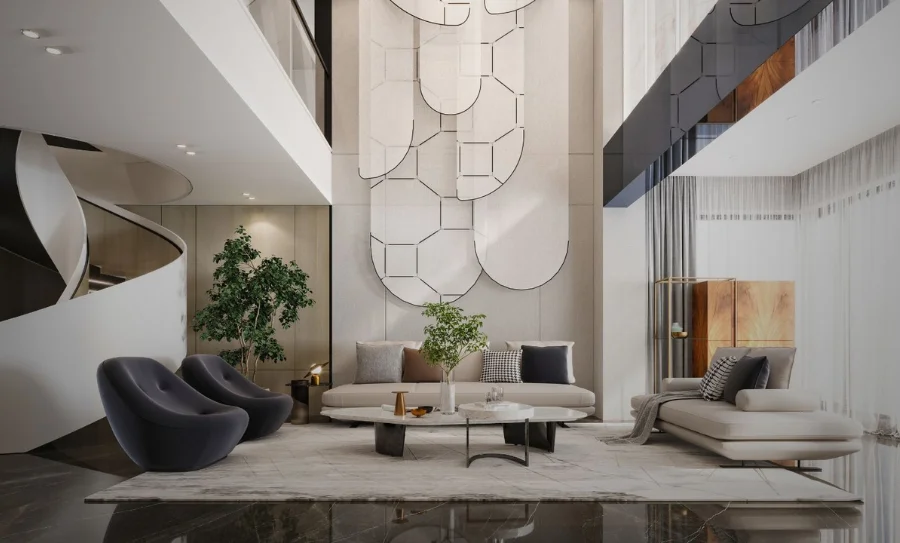
A successful interior design onboarding process includes defining the project scope definition in interiors. The designer clarifies what is included in the service—concept design, detailed drawings, material selection guidance, furniture layout, lighting plan, execution supervision, and post-completion support.
This clarity prevents scope creep and helps maintain efficiency. The designer may explain the interior design brief template that will document your project’s objectives. This document becomes a roadmap guiding every stage of development.
The revision process is also discussed at this stage. Understanding how many design revisions are included and how feedback is incorporated strengthens the client-designer collaboration process. Professional firms clearly communicate how adjustments are handled to maintain transparency and workflow consistency.
Process transparency, documentation quality, and supervision structure are strong trust indicators. Homeowners often look at credibility case studies like why homeowners trust Draftora Designs as a leading interior design company in Bangalore to understand what real trust signals look like — structured execution, material clarity, and post-handover support.
Design Concept Discussion and Creative Direction
While functionality and budgeting are crucial, the creative dimension of the consultation remains inspiring. The design concept discussion explores colors, textures, finishes, materials, and spatial themes. Designers may introduce ideas such as layered lighting design, material contrast, ergonomic furniture placement, and optimized storage solutions.
Material and finish selection guidance begins conceptually during this stage. While final materials are selected later, the consultation sets the tone for quality standards and aesthetic direction. This ensures that design decisions align with durability, maintenance, and lifestyle considerations.
For clients unfamiliar with technical terminology, the designer simplifies explanations to ensure complete understanding. Professional communication is a hallmark of a certified interior designer advice approach, ensuring the client feels informed rather than overwhelmed.
Documentation and Contract Clarity
Another vital element of the first meeting is the discussion around contract and agreement in design projects. Professional firms provide written agreements detailing services, payment schedules, timelines, responsibilities, and warranty clauses.
Interior design consultation fees may vary depending on project complexity. Some firms charge a dedicated consultation fee, while others adjust it against the final project cost. Transparency at this stage strengthens trust and demonstrates ethical practice.
By clarifying documentation and workflow, the designer reinforces E-E-A-T principles—experience, expertise, authority, and trustworthiness. Clients feel secure knowing that the project is managed professionally.
Preparing for Your First Consultation
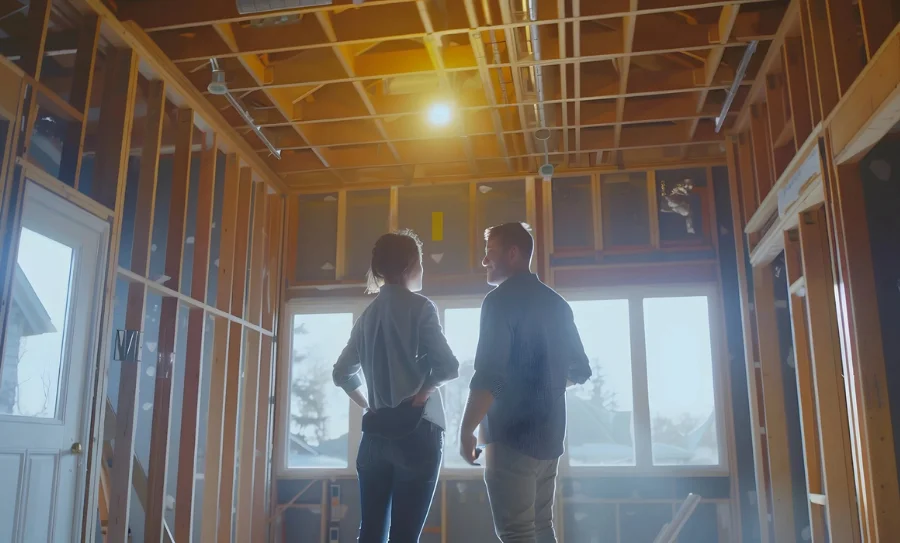
Understanding how to prepare for interior design consultation can significantly improve meeting outcomes. Clients should gather architectural drawings, property documents, inspiration images, and reference materials. Preparing a list of functional challenges helps the designer identify pain points effectively.
Questions to ask an interior designer might include inquiries about project timelines, communication frequency, supervision model, vendor partnerships, and after-completion support. Asking informed questions reflects proactive engagement and strengthens collaboration.
For first-time homeowners, the first interior design consultation for new homeowners often becomes an educational experience. Designers explain industry processes, procurement timelines, and quality control measures. This knowledge empowers clients to make confident decisions.
Building Long-Term Trust
The first interior design consultation is more than a meeting; it is the foundation of a professional relationship. A structured consultation ensures that both client and designer share aligned expectations. Open communication, realistic budgeting, and documented scope prevent conflicts during execution.
Trust grows when designers provide honest advice. For instance, suggesting practical alternatives when a design choice exceeds budget demonstrates responsibility and expertise. Ethical guidance reflects true professional interior design workflow standards.
Clients should leave the consultation with clarity about next steps, deliverables, estimated timelines, and cost structure. A well-conducted meeting eliminates confusion and builds excitement for the design journey ahead.
Why the First Consultation Determines Project Success
Projects that begin with a thorough consultation experience fewer revisions, smoother execution, and better satisfaction rates. Defining project scope definition in interiors early reduces miscommunication. Aligning budgets avoids unexpected delays. Establishing milestones improves accountability.
At Draftora, we treat every first interior design consultation as a strategic blueprint session. Our experience across residential and commercial projects ensures that each consultation integrates creativity, technical precision, and financial transparency.